Follow Me On Social Media!


Korean Marinated Eggs: Irresistibly Flavorful & Simple to Make

Introduction to Korean Marinated Eggs
Korean marinated eggs are a culinary delight that transcends mere snacking; they are a celebration of flavors that elevates simple ingredients into something unforgettable. Originating from traditional Korean cuisine, these eggs are not just a side dish but rather a cherished accompaniment that adds depth to many meals. Imagine taking a perfectly boiled egg and immersing it in a savory, aromatic marinade that infuses every bite with vibrant flavors. This dish encapsulates the heart of Korean cooking—transforming everyday ingredients into extraordinary experiences.
What makes Korean Marinated Eggs so special?
Korean marinated eggs are truly special for several reasons. First and foremost, the marinade itself is a beautiful balance of sweet, salty, and umami flavors, featuring ingredients like soy sauce, sesame oil, and a hint of stir-fried garlic that work together to create a rich taste. The marinade not only enhances the eggs but also showcases the layering of flavors that is so characteristic of Korean dishes.
-
Quality Ingredients: Using high-quality, fresh eggs is crucial. The contrast between the tender whites and rich yolks creates a delightful texture. When you take that first bite, the egg whites have absorbed the savory marinade, while the yolk remains creamy and luscious.
-
Versatile Serving Options: These marinated eggs can be enjoyed in countless ways. You can savor them as is, toss them into a bowl of ramen, or have them alongside a steaming bowl of rice. They can even complement salads or serve as a topping on your favorite rice paper rolls.
-
Community Tradition: Making marinated eggs is often a family affair in Korean households. It’s a dish that fosters connections, where recipes are passed down, creating warm memories around the dining table.
In essence, Korean marinated eggs are a simple yet profound testament to the unique qualities of Korean cuisine—an art form that embraces harmony, balance, and a touch of home. Dive into this recipe, and you’re not just cooking; you’re participating in a verse of culinary poetry that has been cherished through generations.

Key Ingredients for Korean Marinated Eggs
Creating Korean Marinated Eggs is not just a culinary task; it’s a delightful way to bring flavors together in harmony. Trust me when I say that the quest for the perfect marinated egg is a flavorful journey that rewards your taste buds!
Eggs: For this recipe, fresh eggs are your best friend. I recommend using medium or large eggs for ease of peeling and ensuring the marination seeps in perfectly. The creamy yolk complements the robust marinade beautifully.
Soy Sauce: A quality soy sauce is essential. Opt for a low-sodium variety if you prefer to control the saltiness. It provides that deep umami flavor that makes Korean cuisine so irresistible.
Sugar: A touch of sugar balances the saltiness of the soy sauce. I prefer using brown sugar for a hint of caramel flavor that adds depth.
Sesame Oil: This ingredient imparts a nutty aroma and enhances the overall flavor. A little goes a long way, so use it sparingly.
Green Onions and Garlic: These ingredients offer freshness and zest. They’re a staple in many Korean dishes, adding a fragrant layer to your eggs.
By gathering these ingredients, you’re on your way to mastering the art of Korean Marinated Eggs. Dive in and enjoy the flavors!
Why You’ll Love This Recipe
Korean Marinated Eggs offer a unique twist on traditional egg dishes, all while delivering a punch of flavor that’s sure to impress. Imagine savoring those perfectly marinated eggs on a weekend brunch or a casual weeknight dinner. The beauty of this recipe lies not just in its simplicity but also in its versatility.
-
Flavorful Simplicity: The combination of soy sauce, sesame oil, and a touch of spice creates a savory sensation that dances on your taste buds. It’s a great way to elevate humble eggs into a gourmet dish that feels special.
-
Quick and Easy: With minimal ingredients and straightforward instructions, this recipe is perfect for busy young professionals. You can whip it up in no time, making it an excellent choice for a quick snack or meal prep.
-
Culinary Adventure: If you’re looking to explore a bit of Korean cuisine, these marinated eggs are a fantastic starting point. They introduce complex flavors without requiring hours in the kitchen.
-
Healthy Option: Eggs are packed with protein and essential nutrients, making this recipe a nutritious addition to your diet. You’ll be satisfying your cravings while nourishing your body.
Whether served over rice or on their own, Korean Marinated Eggs will quickly become a favorite in your culinary rotation.

Variations of Korean Marinated Eggs
Exploring Korean marinated eggs reveals a delightful spectrum of flavors and culinary creativity that transcends the simple dish. Each variation offers a unique twist, making them suitable for different preferences and occasions.
Spicy Gochujang Variation
For those who crave a kick, try marinating your eggs with gochujang, the iconic spicy Korean chili paste. Simply mix it into the soy sauce mixture along with the other ingredients. This variation adds a rich depth of heat, perfect for spice enthusiasts. The result? Eggs that pack a flavorful punch.
Sweet Soy Sauce Twist
If you have a sweet tooth, consider incorporating brown sugar or honey into the marinade. This brings a delightful contrast to the saltiness of the soy sauce, creating a sweet and savory harmony. This version tastes incredible over rice or in a salad – ideal for those family dinners where you want to impress.
Kimchi-Infused Delight
For a true Korean experience, why not add a tablespoon of chopped kimchi to your marinade? This infuses the eggs with robust flavor and a tangy kick. It’s a fantastic way to elevate your Korean marinated eggs and give them an unexpected zest.
Sesame Oil Finish
A dash of sesame oil at the end can transform your marinade into something extraordinary. It adds a fragrant nuttiness that beautifully complements the soy sauce. Drizzling it just before serving enhances the eggs’ umami richness, making it a favorite among many.
Experimenting with these variations can keep your Korean marinated eggs fresh and exciting, whether you’re enjoying them as a snack, a side dish, or a topping for your favorite meals.
Cooking Tips and Notes for Korean Marinated Eggs
Korean marinated eggs, or Gyeran-jjim, bring an exciting twist to your culinary experiences. To make the most of this delightful dish, consider a few handy tips that will enhance both flavor and presentation.
Selecting the Right Eggs:
For the perfect Korean marinated eggs, using fresh, high-quality eggs is key. Organic or free-range eggs often have richer yolks, lending a deeper flavor to the marinade. If you can, try to get farm-fresh ones—there’s something special about the taste of freshly laid eggs.
Perfecting the Marinade:
The balance of soy sauce, sugar, and spices in your marinade shapes the final taste significantly. Feel free to adjust the quantities to match your palate. If you prefer a touch of heat, incorporating a few slices of chili pepper can add an exciting kick.
Timing is Everything:
When marinating, patience is your friend. Ideally, let your eggs soak in the marinade for a minimum of two hours, although overnight is even better. This ensures that they absorb all those fantastic flavors.
Serving Suggestions:
Presentation matters! Slice the eggs in half and sprinkle with sesame seeds or chopped scallions just before serving. A drizzle of sesame oil can also elevate their appearance and taste.
Korean marinated eggs are not just a delicious treat; with these tips, you’ll make every bite an experience to remember.
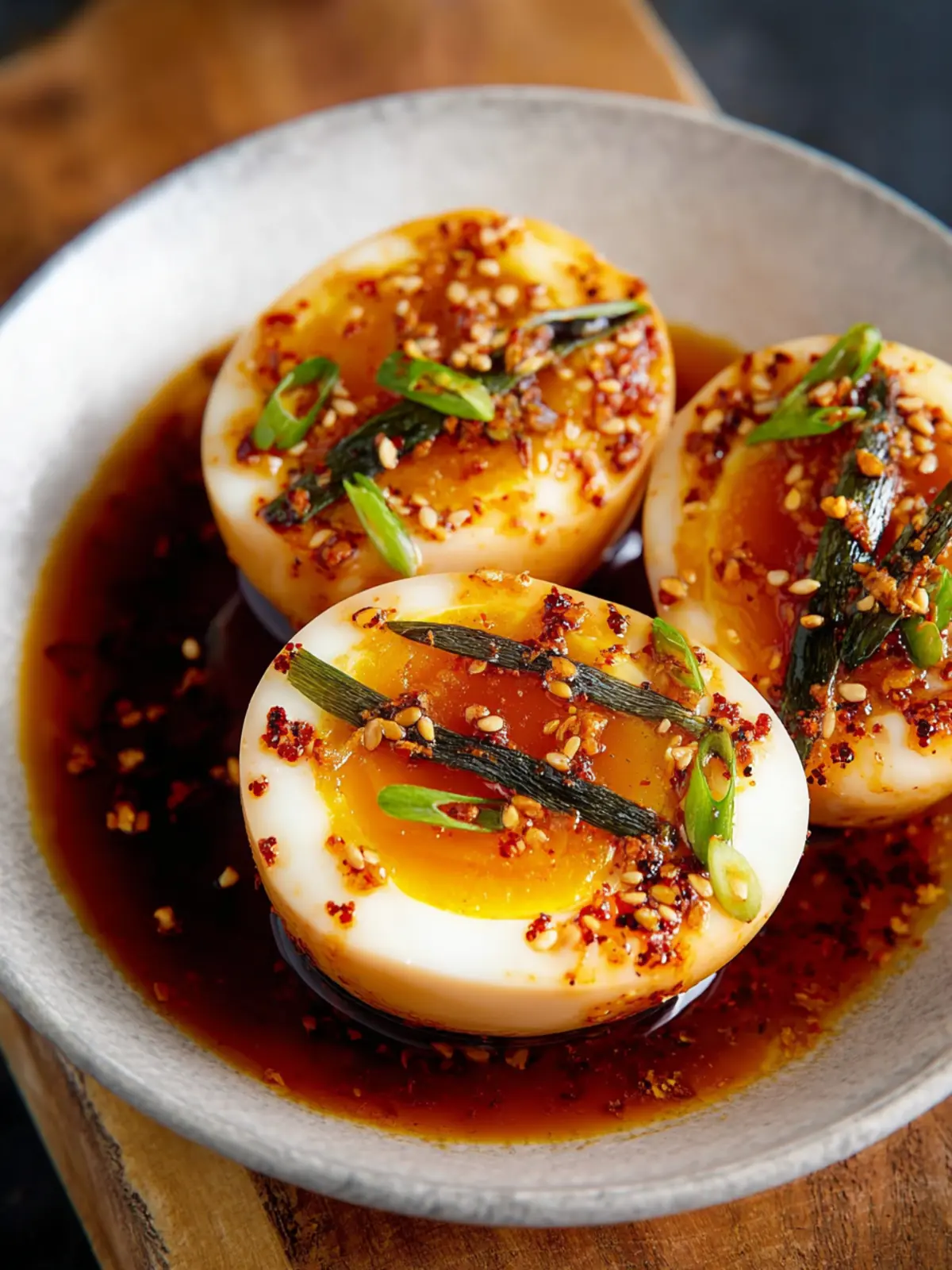
Serving Suggestions for Korean Marinated Eggs
Korean marinated eggs are a delightful fusion of flavors that can elevate a simple dish into something extraordinary. After you’ve prepared your Korean Marinated Eggs, the fun begins with how best to serve them. Here are some creative ideas to enhance your meal experience.
Breakfast Powerhouse
Consider starting your day with a hearty breakfast by adding your Korean Marinated Eggs to a bowl of fried rice or a grain bowl. The rich umami flavor of the marinade pairs seamlessly with sautéed vegetables and a drizzle of sesame oil. It’s an energizing boost that gets you ready for whatever the day has in store!
Savory Snack
If you’re looking for a quick snack, slice the eggs in half and place them on crispy toast or rice cakes. A sprinkle of sesame seeds and some chopped green onions can bring an additional crunch and vibrancy. Not only is this a satisfying bite, but it also serves as a conversation starter at gatherings.
Flavorful Pairings
For a more elaborate serving suggestion, plate your Korean Marinated Eggs alongside Korean-inspired side dishes like kimchi or pickled radishes. The contrast of tastes will enrich your palate and create a beautifully balanced meal.
Utilizing these serving suggestions allows you to explore a world of flavors while enjoying every delicious bite of your Korean Marinated Eggs. It’s all about creating an experience that’s as enjoyable as it is unforgettable!
Time Breakdown for Korean Marinated Eggs
Preparing Korean Marinated Eggs is not only a delightful culinary adventure but also a lesson in patience, as great flavors develop over time. With just a bit of planning, you can savor these savory delights in no time.
Preparation Time
Getting started is quick and easy! You’ll need about 15 minutes to gather your ingredients, boil the eggs, and mix your marinade. It’s a straightforward process and worth every second.
Marinating Time
This is where the magic happens! Allow your eggs to marinate for at least 6 hours to really soak in the flavors, but for the best taste, aim for 24 hours.
Total Time
In total, you’re looking at 6 hours and 15 minutes to achieve that perfect balance of flavor. So, plan accordingly, and reward yourself with a delicious snack!
Nutritional Facts for Korean Marinated Eggs
Understanding the nutritional profile of Korean Marinated Eggs can help you enjoy them even more. These beautifully marinated delights not only tantalize your taste buds but also contribute to your overall nutrition.
Calories
Each serving of Korean Marinated Eggs typically contains about 70-80 calories. This makes them a satisfying yet low-calorie addition to your meals.
Protein
Rich in protein, these eggs offer around 6-7 grams per serving. It’s an excellent protein source that’s perfect for anyone looking to fuel their body throughout the day.
Sodium
While the marinade adds flavor, it also delivers some sodium—around 250-300 mg per serving. Moderation is key, especially if you’re watching your sodium intake.
Tasting these Korean Marinated Eggs will not only satisfy your cravings but also serve your body well—we all love a delicious food that’s kind to our nutrition goals!
FAQs about Korean Marinated Eggs
When it comes to Korean marinated eggs, you’re not just preparing a snack; you’re immersing yourself in a delightful experience that balances savory, sweet, and a hint of umami. These little gems can elevate any dish, making them a favorite among many food enthusiasts.
How long can I store marinated eggs?
You’ll be pleased to know that Korean marinated eggs have a decent shelf life when stored properly. Once you’ve made them, they can last in the fridge for up to a week. Just ensure they’re submerged in the marinade to help retain their flavor and texture. For best results, enjoy them within three days for optimal taste!
Can I use different types of sauces?
Absolutely! While the traditional marinade uses soy sauce, you can experiment with different flavor profiles. Try teriyaki sauce for a sweeter twist, or go for a spicy gochujang-based sauce if you like heat. Remember, just keep a close eye on the saltiness of the sauce, as this will affect the overall flavor profile of your Korean marinated eggs.
What dishes can I pair with Korean marinated eggs?
Korean marinated eggs are incredibly versatile! They pair wonderfully with:
- Rice Bowls: Add them to your bibimbap for a protein boost.
- Salads: Slice them up and toss them into a refreshing greens salad.
- Soups: They can add richness to a ramen or miso soup dish.
Feel free to get creative, as these marinated wonders can transform any meal into something special!
Conclusion on Korean Marinated Eggs
The journey of crafting Korean marinated eggs is both delightful and rewarding. As you savor each bite of these subtly sweet and savory gems, you’ll find that they complement a variety of dishes—from rice bowls to salads. These eggs not only serve as a filling snack but also elevate your meals with their unique flavor. Experimenting with this recipe may inspire you to add your favorite spices or adjust the marination time to suit your taste. Whichever way you choose to enjoy them, Korean marinated eggs will surely become a staple in your culinary repertoire. Happy cooking!
Print
Marinated Eggs
- Total Time: 24 hours 17 minutes
- Yield: 4 servings 1x
- Diet: Vegetarian
Description
A delicious recipe for marinated eggs, perfect for serving with rice, in salads, or on toast.
Ingredients
Scale
- 4 eggs
- 1/3 cup soy sauce
- 1/3 cup water
- 1 tbsp gochugaru or red chilli flakes (adjust to taste)
- 3–4 cloves garlic, finely chopped
- 1 green chilli
- 2 spring onions, chopped
- 3–4 tbsp finely chopped onion
- 1 tbsp rice vinegar (skip if you don’t have)
- 1 tbsp honey
- 1 tbsp sesame seeds
Instructions
- Boil eggs for exactly 7 minutes, then transfer immediately to an ice bath. Peel and keep aside.
- Mix all the marinade ingredients in a bowl.
- Add the peeled eggs and make sure they’re well coated in the marinade.
- Transfer to a shallow container if they are not submerged in the bowl.
- Cover and refrigerate for 24 hours.
- Eat with rice, in salads, or on toast. Keeps well in the fridge for 3–4 days.
Notes
- Adjust gochugaru or red chili flakes to taste.
- Prep Time: 10 minutes
- Cook Time: 7 minutes
- Category: Snacks
- Method: Boiling
- Cuisine: Asian
Nutrition
- Serving Size: 1 egg
- Calories: 70
- Sugar: 1g
- Sodium: 600mg
- Fat: 5g
- Saturated Fat: 1g
- Unsaturated Fat: 3g
- Trans Fat: 0g
- Carbohydrates: 2g
- Fiber: 0g
- Protein: 6g
- Cholesterol: 186mg