Follow Me On Social Media!

Teriyaki Sauce Made Easy: Elevate Your Homemade Dishes

Introduction to Teriyaki Sauce
Every time I think about homemade teriyaki sauce, a flood of memories rushes back to my kitchen on a busy weeknight where quick meals ruled. You see, teriyaki sauce isn’t just a blend of soy sauce and sweetness; it’s an aromatic concoction that can transform any ordinary dish into something remarkable. This simple sauce holds the power to elevate grilled chicken, glisten vegetables, and even make a humble bowl of rice something special. So why settle for store-bought when you can whip up a fresh batch in minutes?
Creating your own teriyaki sauce is not only easy but remarkably rewarding. It involves just a handful of ingredients: soy sauce, mirin, sugar, and a hint of garlic and ginger. The beauty lies in the customization — you can play around with ingredient ratios to develop a flavor that resonates with your palate.
Why homemade teriyaki sauce transforms weekday meals
If you’ve ever stood in front of your pantry, half-heartedly contemplating dinner, homemade teriyaki sauce is your new best friend. This sauce takes the concept of “dinner on a whim” to an exhilarating level. Imagine effortlessly tossing together some stir-fried vegetables, grilled salmon, and freshly cooked rice, then drenching it all in your own crafted teriyaki sauce. It’s dinner prep that feels gourmet with minimal effort.
Here are a few reasons why making your own teriyaki sauce is a game changer:
- Customization: You can control the sweetness and sodium content. Want it a bit spicier? Add a dash of chili flakes. Prefer a sweeter version? Increase that sugar or opt for maple syrup.
- Freshness: While store-bought versions can sit on the shelf for ages and lose flavor over time, homemade sauce bursts with freshness and vibrancy.
- Cost-effective: With minimal ingredients and effort, you save money and reduce the waste of pre-packaged sauces that often contain preservatives.
With homemade teriyaki sauce, you’ll soon find that your weekday meals can feel exciting and delicious without requiring a culinary degree. Let’s dive into the recipe and discover the delightful world of making your own!
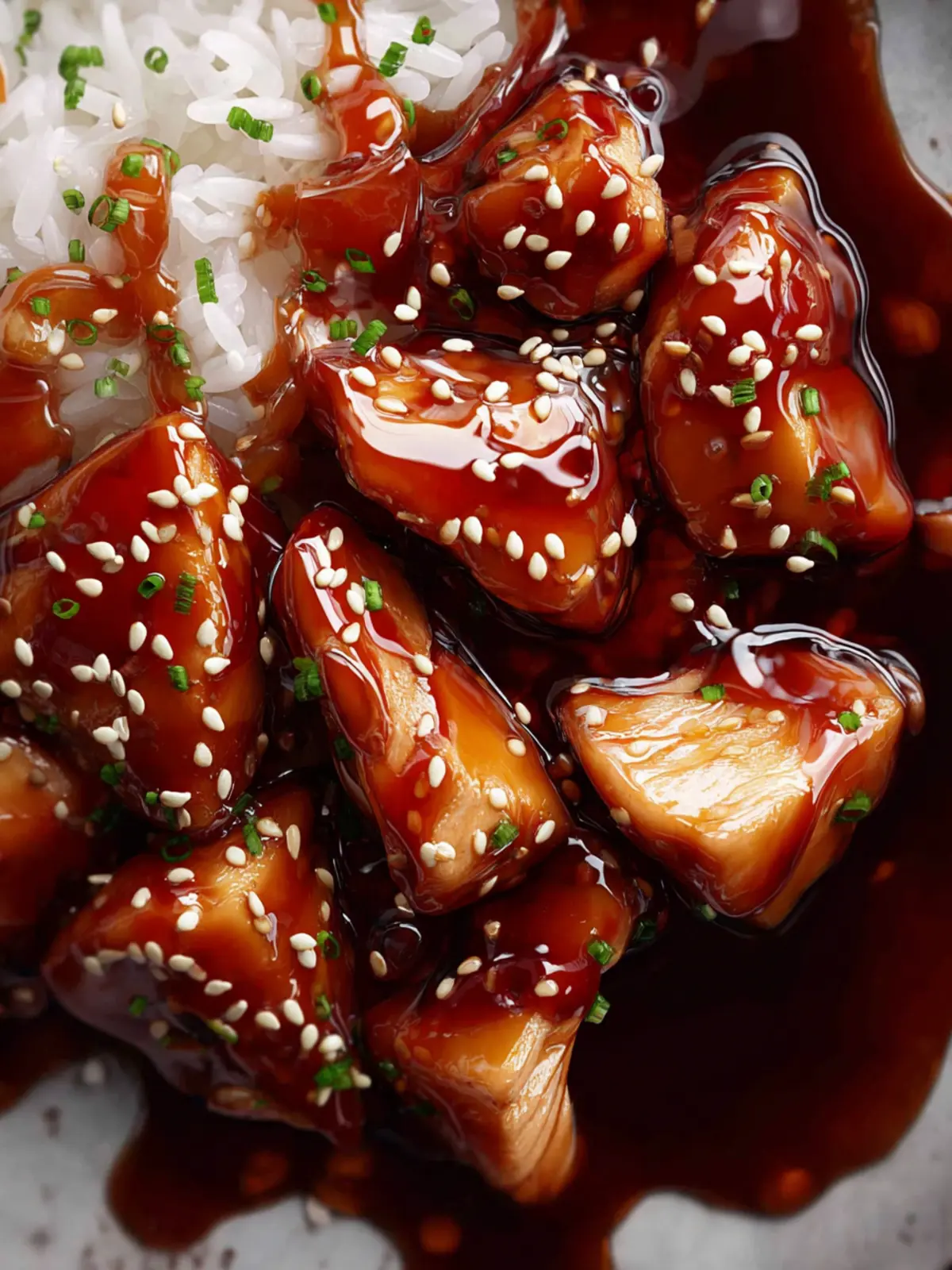
Key Ingredients for Teriyaki Sauce
Creating delicious teriyaki sauce starts with selecting the right ingredients that bring out its signature flavors. Each component plays a vital role in crafting a sauce that elevates your dishes to new heights.
-
Soy Sauce: The backbone of any teriyaki sauce, soy sauce provides a rich umami flavor. Opt for low-sodium versions if you’re looking to balance the saltiness while still keeping the depth of flavor intact.
-
Mirin: This sweet rice wine adds a subtle sweetness that balances the savory soy sauce. Mirin enhances the overall flavor profile but if you can’t find it, a mixture of sake and sugar can be a great alternative.
-
Sugar: I use brown sugar to create a hint of caramelization when cooking. It melts beautifully, lending a glossy finish to the sauce and enhancing its richness.
-
Ginger: Freshly grated ginger introduces warmth and a zesty kick, making the sauce fragrant and lively. Dried ginger can work in a pinch, but fresh is always best.
-
Garlic: Minced garlic offers depth and a slightly spicy note that perfectly complements the other flavors.
-
Sesame Oil: A drizzle of sesame oil at the end infuses a nutty aroma, instantly elevating the sauce’s complexity.
With these key ingredients in hand, you’re well on your way to mastering your own teriyaki sauce, ready to glaze chicken, stir-fry vegetables, or enhance your favorite dishes!
Why You’ll Love This Teriyaki Sauce
The allure of a homemade teriyaki sauce goes beyond mere flavor; it’s about the experience of creating something special in your kitchen. Imagine drizzling a thick, glossy sauce over grilled chicken or veggies, transforming an ordinary meal into an extraordinary delight.
Bold Flavors
What makes this teriyaki sauce standout is its perfect balance of sweet, savory, and umami notes. The blend of soy sauce, mirin, and sugar delivers a flavor profile that dances on the palate. It’s bold enough to enhance your dishes without overwhelming them, making it incredibly versatile.
Easy to Make
You’ll appreciate how simple it is to whip up this teriyaki sauce at home. With just a handful of ingredients, you can create a rich, flavorful addition to your meals without those mysterious additives often found in store-bought varieties.
Customizable
One of my favorite aspects of this sauce is how you can easily tweak it to fit your taste. Want it spicier? Add some red pepper flakes. Want it a touch sweeter? Just increase the sugar. This level of customization means you’re always in control of the flavor.
In essence, this teriyaki sauce isn’t just a recipe; it’s an invitation to elevate your cooking and impress your friends and family with every drizzle!
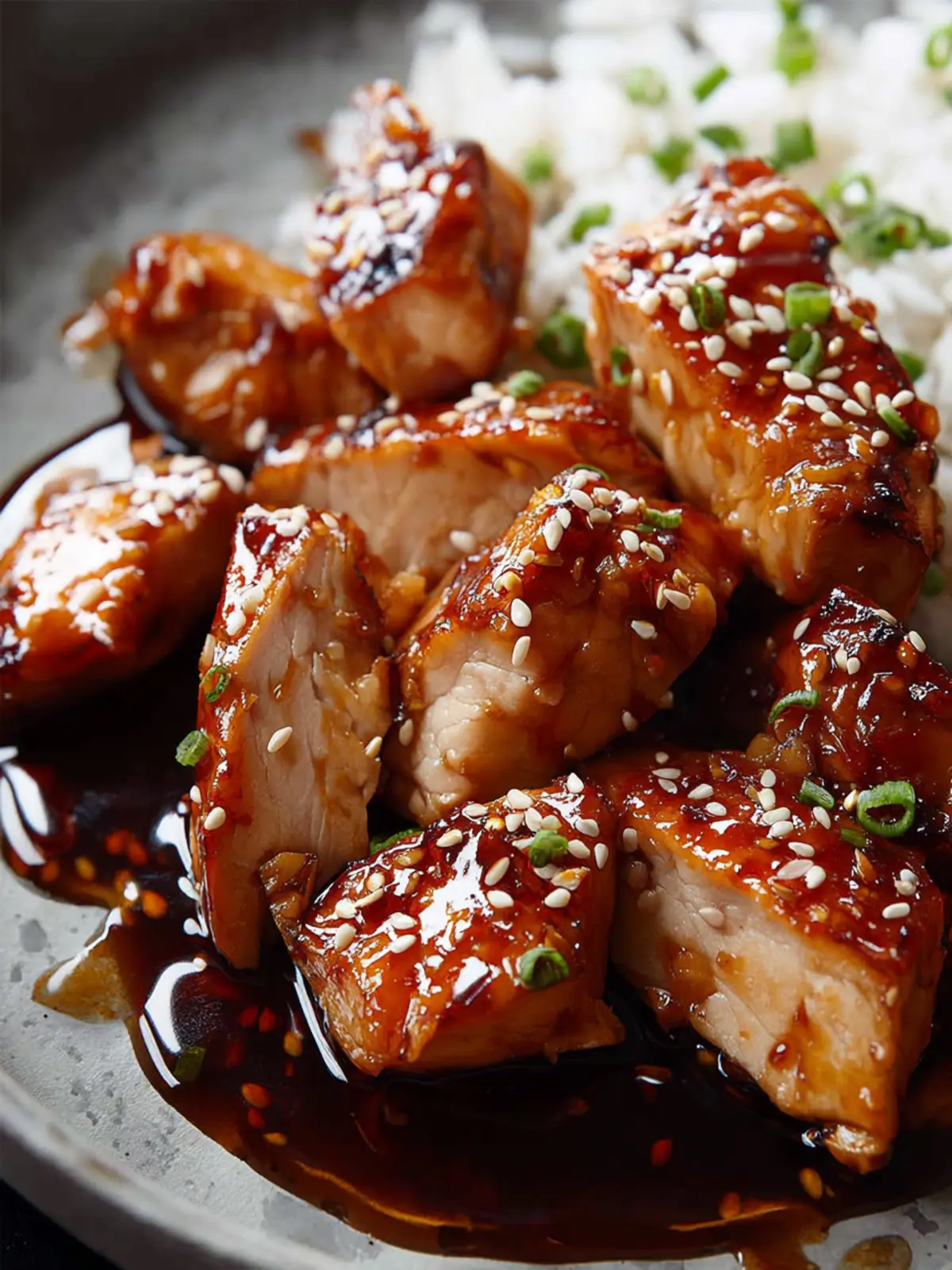
Variations of Teriyaki Sauce
Exploring the world of teriyaki sauce can be as delicious as it is diverse. While the classic recipe offers a delightful blend of flavors, there are numerous variations you can try to customize the taste to suit your culinary preferences.
Miso Teriyaki Sauce
For a rich, umami-packed twist, consider adding miso paste to your teriyaki sauce. This fermented soybean paste not only enhances the depth of flavor but also offers a creamier texture. Just mix in a tablespoon or two when combining your soy sauce, sugar, and other ingredients.
Pineapple Teriyaki Sauce
For those who crave a touch of sweetness, a pineapple-infused teriyaki sauce is a must-try. Puree fresh pineapple or use canned pineapple juice to replace some of the soy sauce. The result is a tropical flavor explosion that pairs wonderfully with grilled chicken or shrimp.
Spicy Teriyaki Sauce
If heat is more your style, elevate your teriyaki sauce with sriracha or crushed red pepper flakes. Start with a teaspoon and adjust to your desired spice level. This variation works particularly well with stir-fried vegetables or spicy meat dishes.
Experimenting with these variations can completely transform your dishes, giving classic recipes a new twist that keeps your meals exciting. So, which version will you try first?
Cooking Tips and Notes for Teriyaki Sauce
Creating the perfect teriyaki sauce is an art that comes with a few handy tips and personal touches. I’ve made plenty of variations over the years and found little tweaks that can elevate your sauce from good to great.
Ingredient Quality Matters
- Soy Sauce: Choose a high-quality soy sauce; it’s the backbone of your teriyaki sauce. If possible, go for low-sodium to maintain flavor without overwhelming saltiness.
- Sweetness Factor: Using mirin or honey will add a depth of sweetness to your sauce. Mirin has a unique flavor profile that enhances authenticity, but honey is a great substitute if you’re looking for an easy alternative.
- Ginger and Garlic: Fresh is always best! Grating fresh ginger and mincing garlic can boost flavor more than their powdered versions.
Balancing the Flavors
- Taste as You Go: While cooking, take the time to taste the sauce as it simmers. Every ingredient interacts differently, so feel free to adjust the sweetness or acidity according to your preference.
- Thickening Agent: If you prefer a thicker sauce, cornstarch is your friend. Mix it with cold water before adding it to the simmering sauce for a smoother texture.
Storing Your Sauce
- Storage Tips: Homemade teriyaki sauce can be stored in an airtight container in the fridge for up to two weeks. Always give it a good shake or stir before using, as the ingredients may settle.
By keeping these tips in mind, you’ll be well on your way to crafting a teriyaki sauce that not only complements your dishes but also tells your unique culinary story. Happy cooking!
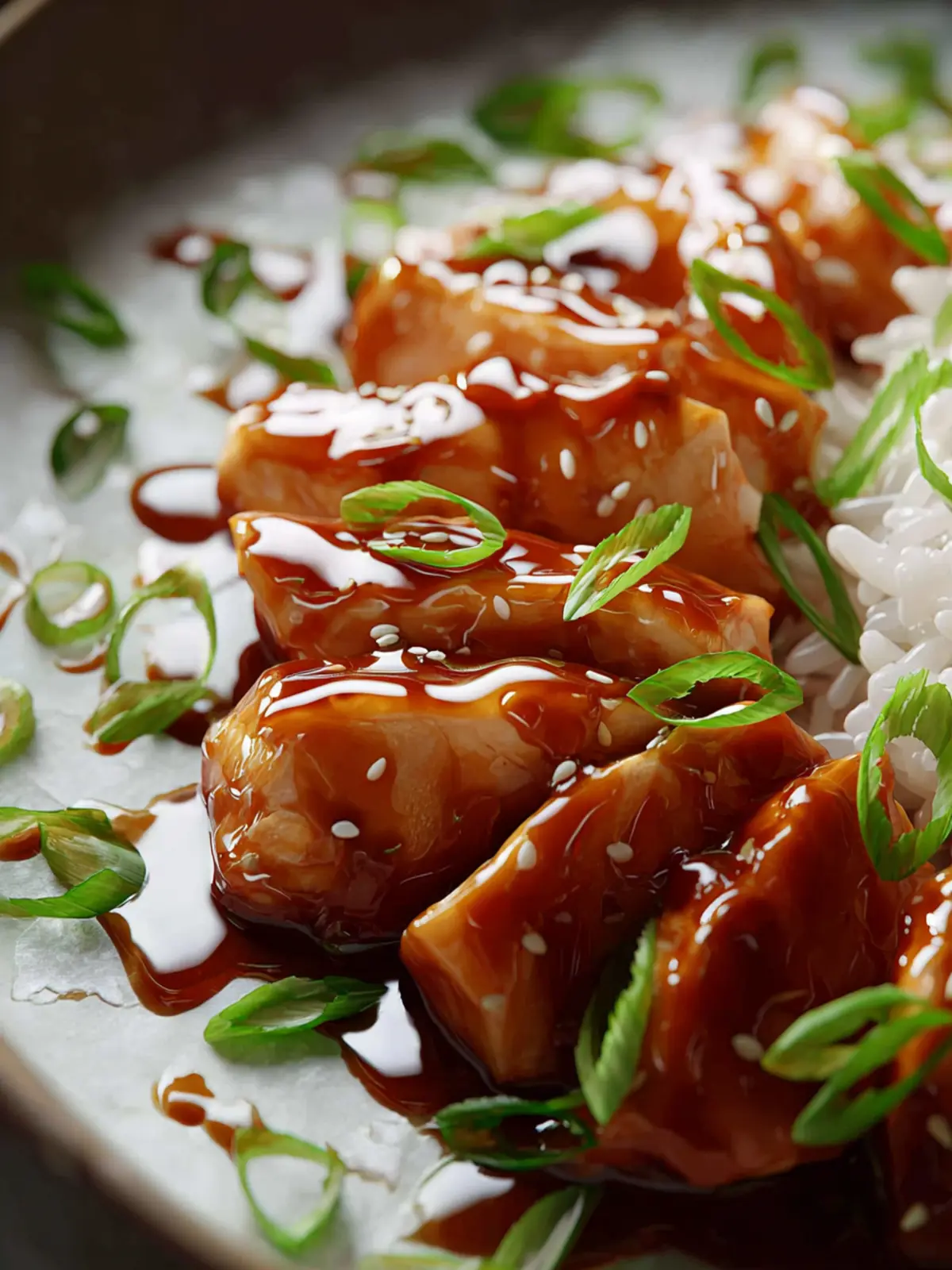
Serving Suggestions for Teriyaki Sauce
Crafted from a blend of savory and sweet, teriyaki sauce makes every meal a delightful experience. Its versatility whispers ‘dine-in’ or ‘takeout,’ turning weeknight cooking into a culinary adventure.
Pair It with Proteins
-
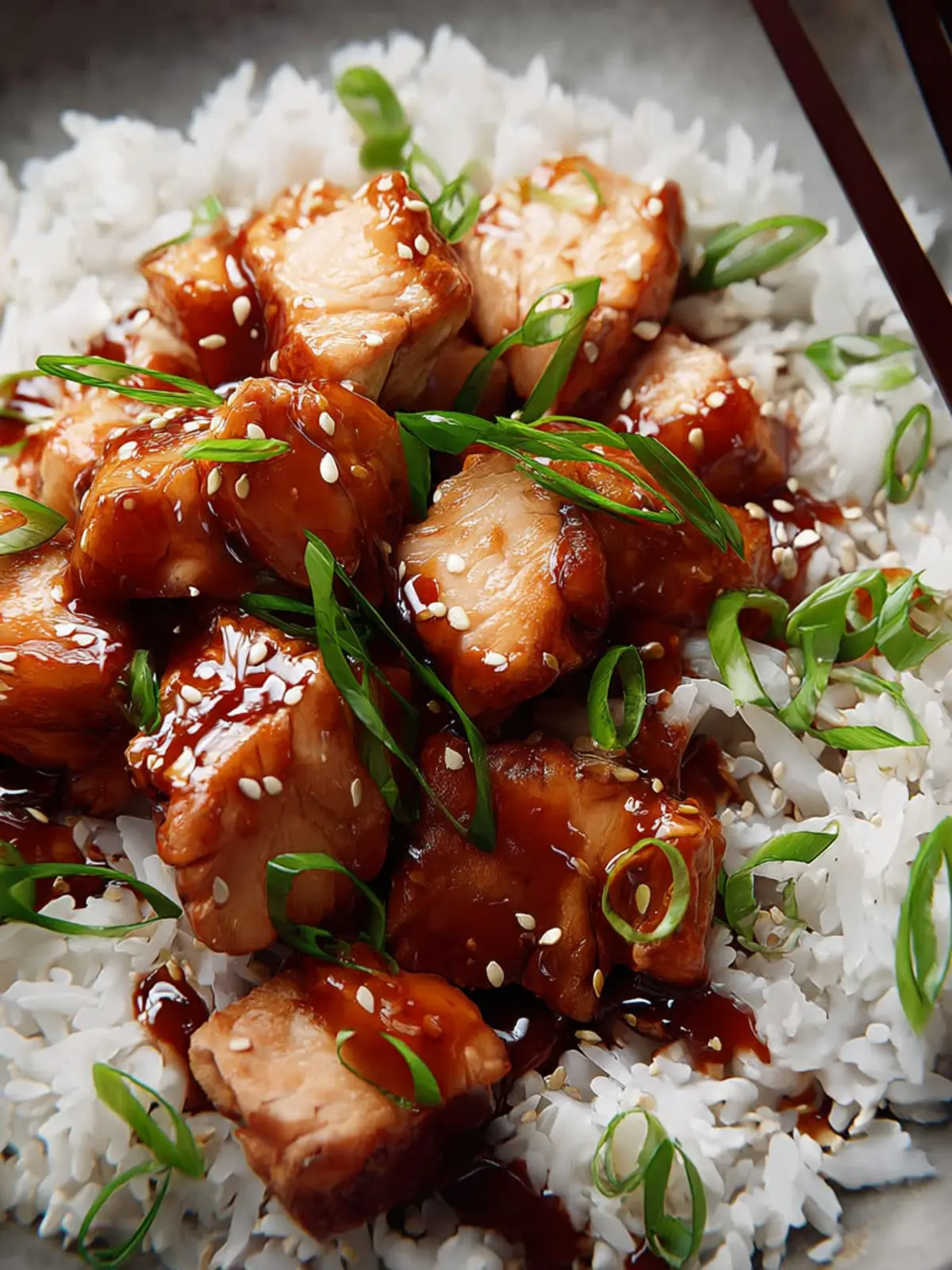
Chicken: Marinate chicken thighs or breasts in teriyaki sauce before grilling or baking. The result? Juicy, flavor-packed poultry that’s perfect for any occasion.
-
Salmon: Brush teriyaki sauce on salmon fillets prior to roasting. The glaze caramelizes beautifully, making each bite a heavenly treat.
Elevate Your Veggies
-
Stir-fried dishes: Toss your favorite vegetables—think broccoli, bell peppers, and snap peas—into a hot wok with teriyaki sauce. This quick addition brings a savory depth while preserving the veggies’ crunch.
-
Grilled Vegetables: Marinate zucchini, bell peppers, and eggplant in teriyaki sauce before grilling for a flavorful side dish.
Culinary Adventure
Using teriyaki sauce as a dipping sauce for sushi is the cherry on top of your meal. You can also drizzle it over rice or quinoa for a satisfying bowl. Whether you’re hosting friends or just indulging in a cozy dinner, teriyaki sauce adds that special touch that makes every bite memorable.
Time Breakdown for Making Teriyaki Sauce
Creating your own teriyaki sauce is a delightful culinary adventure that can elevate your home-cooked meals. Knowing how to manage your time effectively can make the process seamless and enjoyable.
Preparation Time
Getting things ready for your teriyaki sauce takes about 5 minutes. During this time, gather all the ingredients like soy sauce, mirin, sugar, and garlic. You’ll find that having everything at hand makes the cooking process much smoother.
Cooking Time
Once you’re prepped, the actual cooking takes just 10 minutes. Bring your ingredients to a gentle simmer, allowing the flavors to meld. This is where the magic happens!
Total Time
In just 15 minutes, you’ll have your homemade teriyaki sauce ready to serve. With such a quick turnaround, this sauce transforms any dish into a flavorful masterpiece in no time!
Nutritional Facts for Teriyaki Sauce
Creating your homemade teriyaki sauce not only elevates your dishes but also allows you to keep track of what you’re consuming. Each tablespoon of this delightful sauce brings a burst of flavor along with some important nutritional information.
Calories
In a tablespoon of teriyaki sauce, you’ll find approximately 15 calories. This makes it a flavorful, low-calorie addition to various dishes without derailing your dietary goals.
Protein
The protein content in teriyaki sauce is minimal, with about 0.2 grams per tablespoon. While it may not contribute significantly to your daily protein needs, it serves as a condiment that complements protein-rich main dishes beautifully.
Sodium
One aspect to keep in mind is the sodium content. A tablespoon of teriyaki sauce typically contains around 700 milligrams of sodium. This high sodium level can enhance flavor but warrants moderation, especially for those watching their salt intake.
FAQs about Teriyaki Sauce
Crafting the perfect teriyaki sauce can elevate your dishes from mundane to mouthwatering, making it a staple in many kitchens. However, questions often arise about this delicious concoction. Let’s dive into some frequently asked questions that can help demystify teriyaki sauce and provide you with the insights you need.
What is the difference between teriyaki sauce and other Asian sauces?
Teriyaki sauce stands out among Asian sauces primarily due to its unique blend of sweet and savory flavors. It typically contains soy sauce, sugar (often brown or honey), and mirin or sake, giving it a glossy sheen and a slightly thick consistency. In contrast, sauces like soy sauce are saltier and thinner, while hoisin sauce leans toward a sweet and tangy flavor profile. Each sauce serves a distinct purpose, so experimenting with them can add depth to your culinary creations!
Can I make teriyaki sauce without soy sauce?
Absolutely! If you’re looking for alternative options, you can use coconut aminos for a soy-free version. It retains a similar salty-sweet balance, although it may be slightly milder. Some recipes also incorporate miso paste or even homemade broth combined with spices to create a flavorful substitute—perfect for those with dietary restrictions!
How do I store homemade teriyaki sauce?
Storing homemade teriyaki sauce is simple. Let it cool completely, then transfer it to an airtight container or a glass jar with a lid. Refrigerated, it can last for up to a week. For longer-term storage, consider freezing it in ice cube trays. This way, you’ll always have a quick flavor boost ready for your next meal!
By addressing these common queries, I hope to make your teriyaki sauce experience smoother and more enjoyable. Happy cooking!
Conclusion on Teriyaki Sauce
Creating your own teriyaki sauce is not just about the ingredients; it’s a culinary journey that brings the vibrant flavors of Japan right to your kitchen. Once you’ve mastered this simple yet flavorful recipe, you can elevate a range of dishes from grilled meats to stir-fries.
Consider using it as a marinade or glaze to transform weeknight meals into gourmet experiences. Plus, making your own teriyaki sauce is both cost-effective and healthier than store-bought options filled with preservatives. So why not make your next gathering extra special with your homemade creation? Enjoy experimenting and finding the perfect balance of flavors that suits your palate!
Print
Savory Sauce
- Total Time: 15 minutes
- Yield: 1 cup 1x
Description
A delicious savory sauce perfect for enhancing your dishes.
Ingredients
Scale
- ¾ cup water
- ¼ cup soy sauce
- 1 tablespoon brown sugar
- 1 tablespoon honey
- ½ teaspoon ground ginger
- ½ teaspoon garlic powder
- 1 teaspoon sesame oil
- 2 tablespoons mirin
- 1 tablespoon cornstarch
- 2 tablespoons water
Instructions
- In a small to medium sized pot, add the ¾ cup water, soy sauce, brown sugar, honey, ground ginger, garlic powder, sesame oil and mirin.
- Whisk over medium heat until the sugar fully dissolves and everything is hot.
- In a small cup or bowl, whisk together the cornstarch and 2 tablespoons water to create a slurry.
- Pour this into the sauce and continue to stir and cook on medium/high heat until the sauce thickens and coats the spoon.
- Taste and add anything you feel it needs.
Notes
- Adjust the sweetness or spiciness according to your preference.
- Prep Time: 5 minutes
- Cook Time: 10 minutes
- Category: Sauces
- Method: stovetop
- Cuisine: Asian
Nutrition
- Serving Size: 2 tablespoons
- Calories: 50
- Sugar: 6g
- Sodium: 600mg
- Fat: 0g
- Saturated Fat: 0g
- Unsaturated Fat: 0g
- Trans Fat: 0g
- Carbohydrates: 12g
- Fiber: 0g
- Protein: 1g
- Cholesterol: 0mg