Follow Me On Social Media!

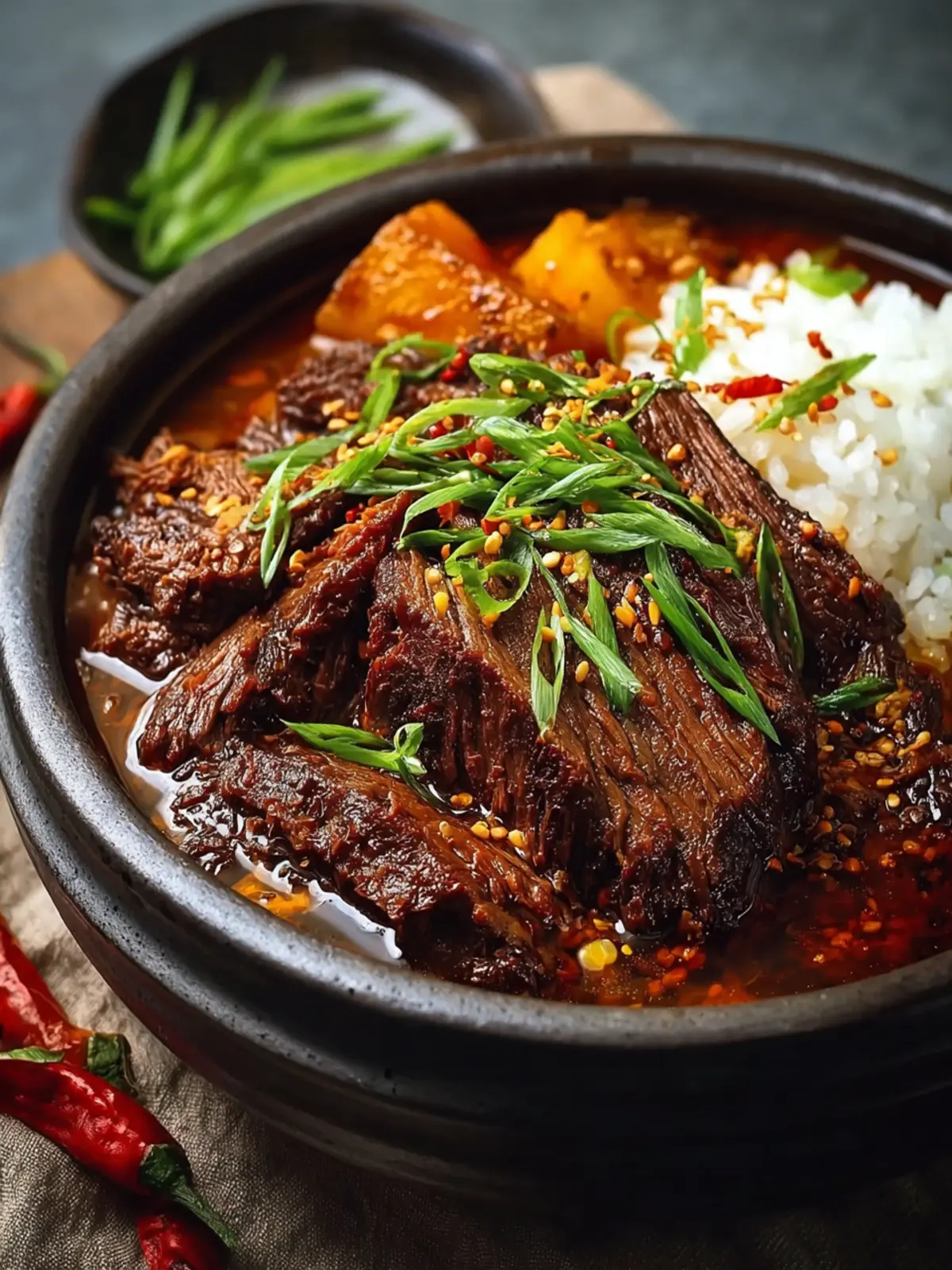
Korean Style Pot Roast: Juicy Comfort in Every Bite

Introduction to Korean Style Pot Roast
Imagine walking into a cozy kitchen filled with an irresistible aroma—this is the experience that Korean Style Pot Roast brings to your home. This dish is more than just a meal; it’s a heartwarming tradition that marries rich flavors with tender meat, creating a culinary tapestry woven from both Korean heritage and global influences. When you prepare a Korean Style Pot Roast, you’re not just cooking; you’re embarking on a flavorful journey complemented by unique ingredients that transform a simple roast into a savory spectacle.
What makes Korean Style Pot Roast so unique?
At its core, Korean Style Pot Roast is a beautiful blend of sweet, savory, and umami flavors. What sets this dish apart from traditional pot roasts is the use of gochujang, a fermented Korean chili paste that adds depth and heat, paired with ingredients like soy sauce and ginger that contribute to its delicious complexity. Here are a few reasons why this dish stands out:
-
Flavor Fusion: The marriage of ingredients creates a taste profile that balances spice and sweetness. Think of the warm, rich notes from the caramelization of the meat juxtaposed with the slight heat from the gochujang and the tangy sweetness of sesame oil.
-
Tenderness: Slow cooking is key here. The long cooking time allows the meat to absorb flavor while becoming melt-in-your-mouth tender, making every bite a delight.
-
Nutrient-Rich Vegetables: Including fresh veggies like carrots, radishes, and onions not only enhances the flavor but also makes the dish visually appealing and packed with nutrients.
-
Versatility: Suitable for family gatherings or cozy dinners for two, this dish can easily be scaled up or down to accommodate your needs.
-
Cultural Experience: Preparing this dish is also an opportunity to connect with Korean culinary traditions, enhancing your cooking repertoire and perhaps fostering a deeper appreciation for global cuisines.
Revel in the experience of making your own Korean Style Pot Roast, and get ready to dazzle your taste buds and your loved ones with a meal that is truly special.
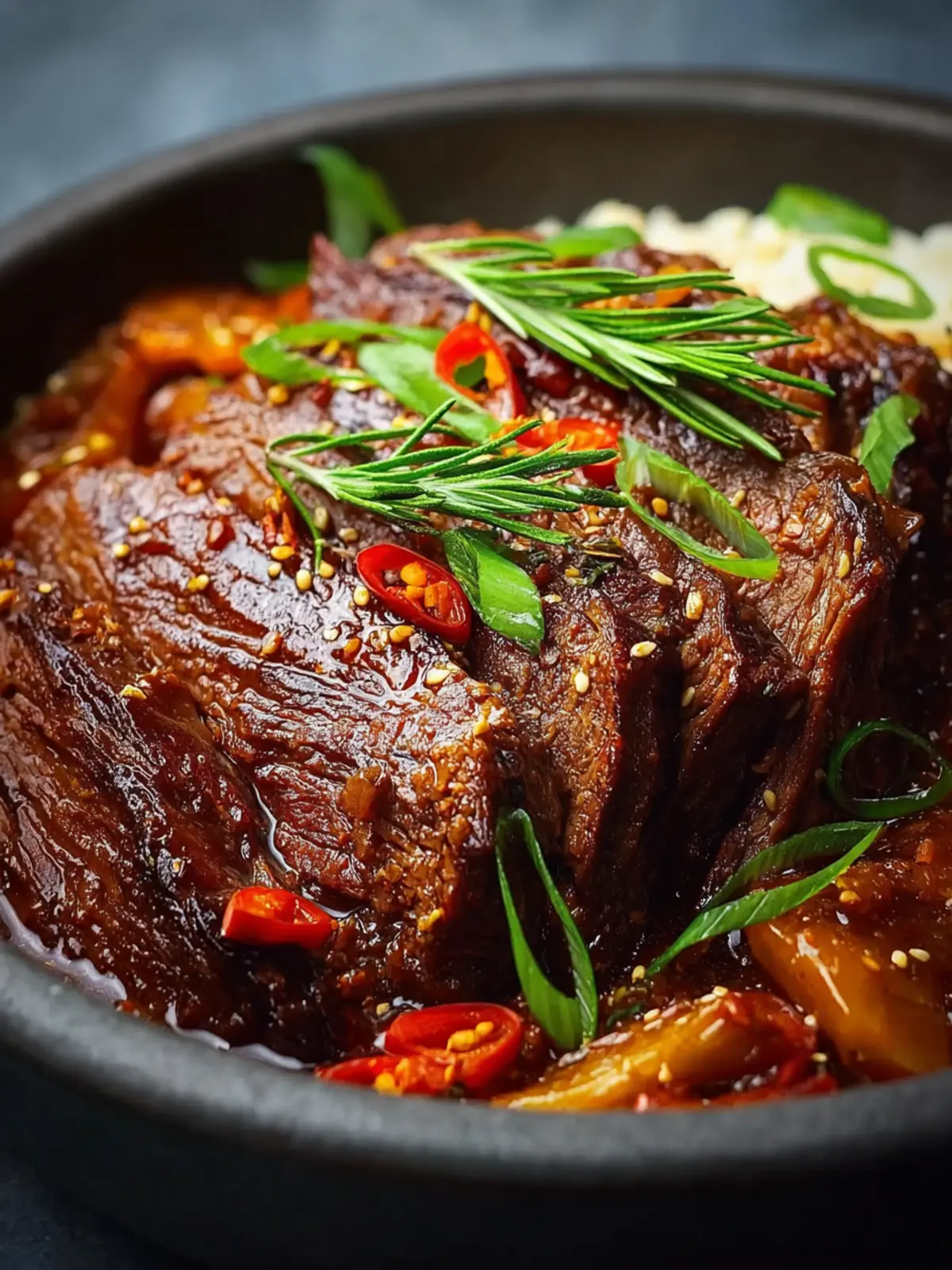
Key Ingredients for Korean Style Pot Roast
Creating a memorable Korean Style Pot Roast starts with the right ingredients. Each one plays a crucial role in building a depth of flavor that surprises and delights.
-
Beef Chuck Roast: This cut is perfect for pot roast due to its rich marbling and tenderness after slow cooking. Look for a roast that has good fat distribution, as this will keep your meat juicy and flavorful.
-
Soy Sauce: A staple in Korean cuisine, soy sauce brings an umami punch that enhances the dish’s overall taste. I prefer using low-sodium soy sauce to maintain control over the saltiness of the dish.
-
Gochujang: This Korean red chili paste adds a wonderful sweetness and mild heat. Just a spoonful generates a complexity that transforms the roast into something exceptional.
-
Garlic and Ginger: Freshly minced garlic and ginger provide aromatic flavors that complement the other ingredients beautifully. They create a warm and comforting base for your pot roast.
-
Vegetables: Carrots and radishes soak up the savory broth while adding their unique sweetness. Don’t skip these; they’re essential for balance and nutrition.
With these key ingredients, your Korean Style Pot Roast boasts comfort food vibes with a delightful twist!
Why You’ll Love This Korean Style Pot Roast
Nothing warms the soul quite like a comforting Korean Style Pot Roast. This heartwarming dish takes your traditional pot roast up a notch by infusing it with vibrant flavors inspired by Korean cuisine. Imagine tender beef simmered until it practically melts in your mouth, surrounded by a savory blend of soy sauce, garlic, and ginger—it’s a culinary hug on a plate.
-
Elevated Flavor Profile: Unlike traditional pot roasts, this recipe uses the umami-rich flavors of Korean sauces, making each bite a little more exciting. You’ll discover how the combination of soy sauce and sesame oil creates a unique sauce that complements the meat beautifully.
-
Comfort Food with a Twist: As you savor each slice, you’ll notice hints of sweetness from brown sugar and warmth from gochugaru (Korean red pepper flakes). These ingredients not only bring depth to the dish but also add a surprising touch that will have your taste buds dancing.
-
Easy to Make: Whether you’re a kitchen novice or a seasoned chef, this Korean Style Pot Roast is easy to follow. With simple steps and minimal prep time, it’s perfect for busy weeknights or cozy weekends.
If you’re looking for a new family favorite or a show-stopping dish for your next dinner party, this pot roast might just become your go-to!
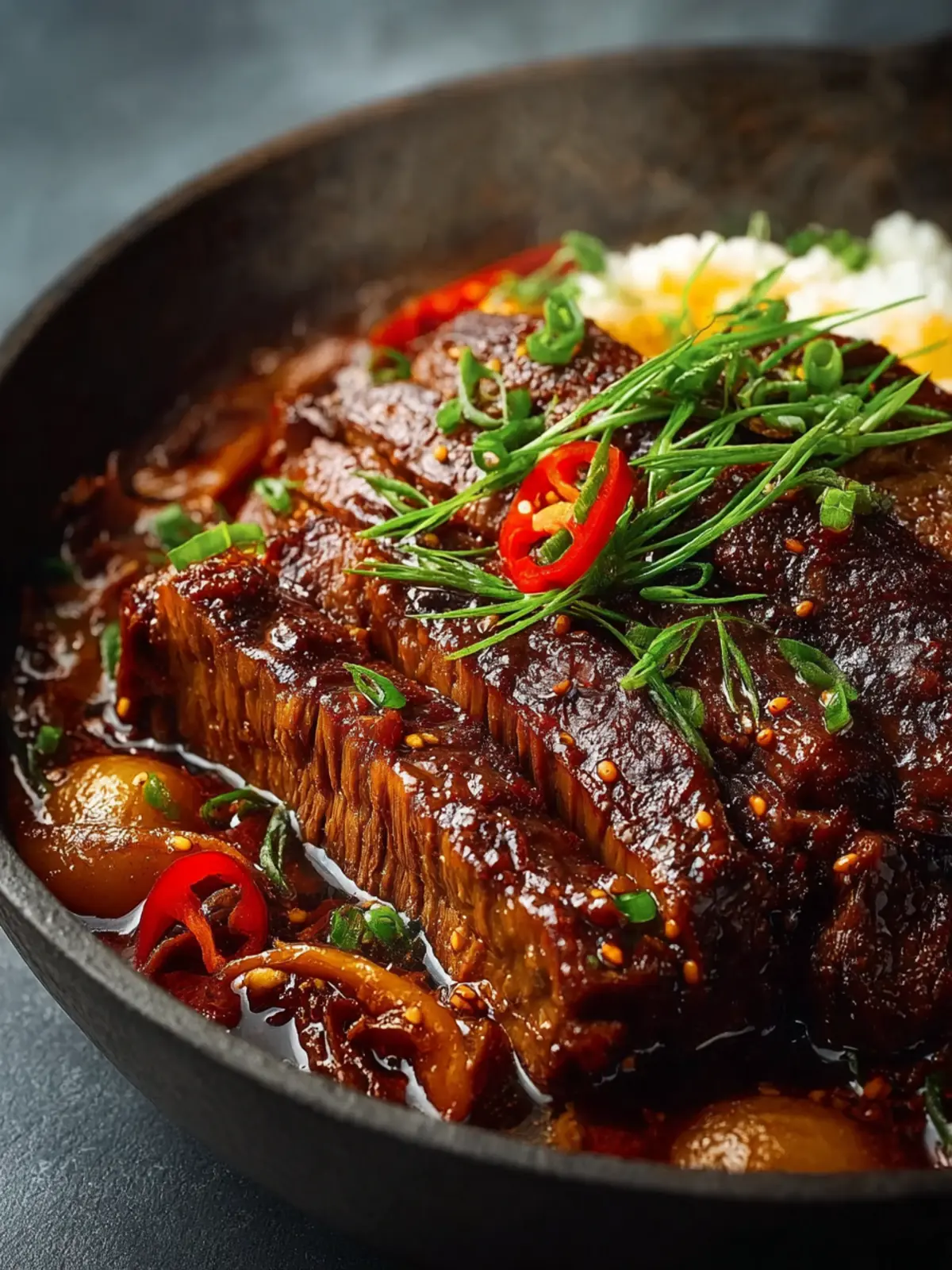
Variations on Korean Style Pot Roast
Embracing the rich flavors of Korean Style Pot Roast can lead to a world of culinary creativity in your kitchen. This dish serves as a fantastic canvas to explore various ingredients and flavor profiles.
Explore Different Meats
While traditional recipes often call for beef chuck, swapping in lamb or pork can yield delightful results. Each meat brings its unique taste and texture, offering a fresh twist to your pot roast. Imagine the savory richness of lamb pairs beautifully with the sweet and spicy gochujang marinade!
Add Seasonal Vegetables
Think beyond the standard carrots and potatoes. Seasonal vegetables like radishes, parsnips, or even sweet potatoes can add depth and texture. Radishes, when braised, become beautifully tender and soak up the Korean flavors exceptionally well.
Experiment with Aromatics
Herbs play a vital role in enhancing the flavor profile of your pot roast. Adding fresh cilantro or green onions at the end can give your dish a brighter, fresher finish. Why not try a splash of sesame oil for a nutty aroma that elevates the entire meal?
Spice it Up
If you’re craving an extra kick, consider tinkering with the spice levels in your marinade. A bit more gochugaru, the Korean red pepper flakes, can add a delightful heat without overpowering the dish.
With these variations, your Korean Style Pot Roast will continue to surprise and satisfy. Tailor it to your preferences and watch your family and friends request seconds!
Cooking Tips and Notes for Korean Style Pot Roast
Creating the perfect Korean Style Pot Roast is like crafting a warm hug in culinary form. This dish isn’t just about the ingredients; it’s a chance to bring the rich flavors of Korean cuisine into your home, making any meal feel special. Here are some tips to elevate your pot roast experience.
Selecting the Right Cut of Meat
Choosing the right meat can make a big difference. I recommend using chuck roast, which breaks down beautifully during cooking, allowing it to absorb all those delicious flavors. If you prefer something leaner, brisket works well, too!
Marinating for Flavor Depth
Don’t shy away from marinating your meat! Even a few hours in a mixture of soy sauce, garlic, and ginger will elevate the flavor profile. The longer, the better—overnight marination is ideal for infusing those rich, savory notes.
Achieving Perfect Tenderness
Cooking at low temperatures for an extended time is key to achieving that melt-in-your-mouth tenderness. If you have the time, letting it simmer for a few hours will break down the fibers in the meat and enhance the dish’s overall texture.
Complementary Side Dishes
Consider serving your Korean Style Pot Roast with traditional sides like kimchi or pickled vegetables. These will add a refreshing contrast to the richness of the roast. Plus, they’re easy to prepare and can be made in advance!
Using Leftovers Creatively
If you happen to have leftovers (which is rare), think beyond just reheating. Try shredding the meat for tacos or stir it into a hearty soup—your taste buds will thank you!
With these tips, your Korean Style Pot Roast will not only impress your friends but also become a comforting staple in your culinary repertoire.
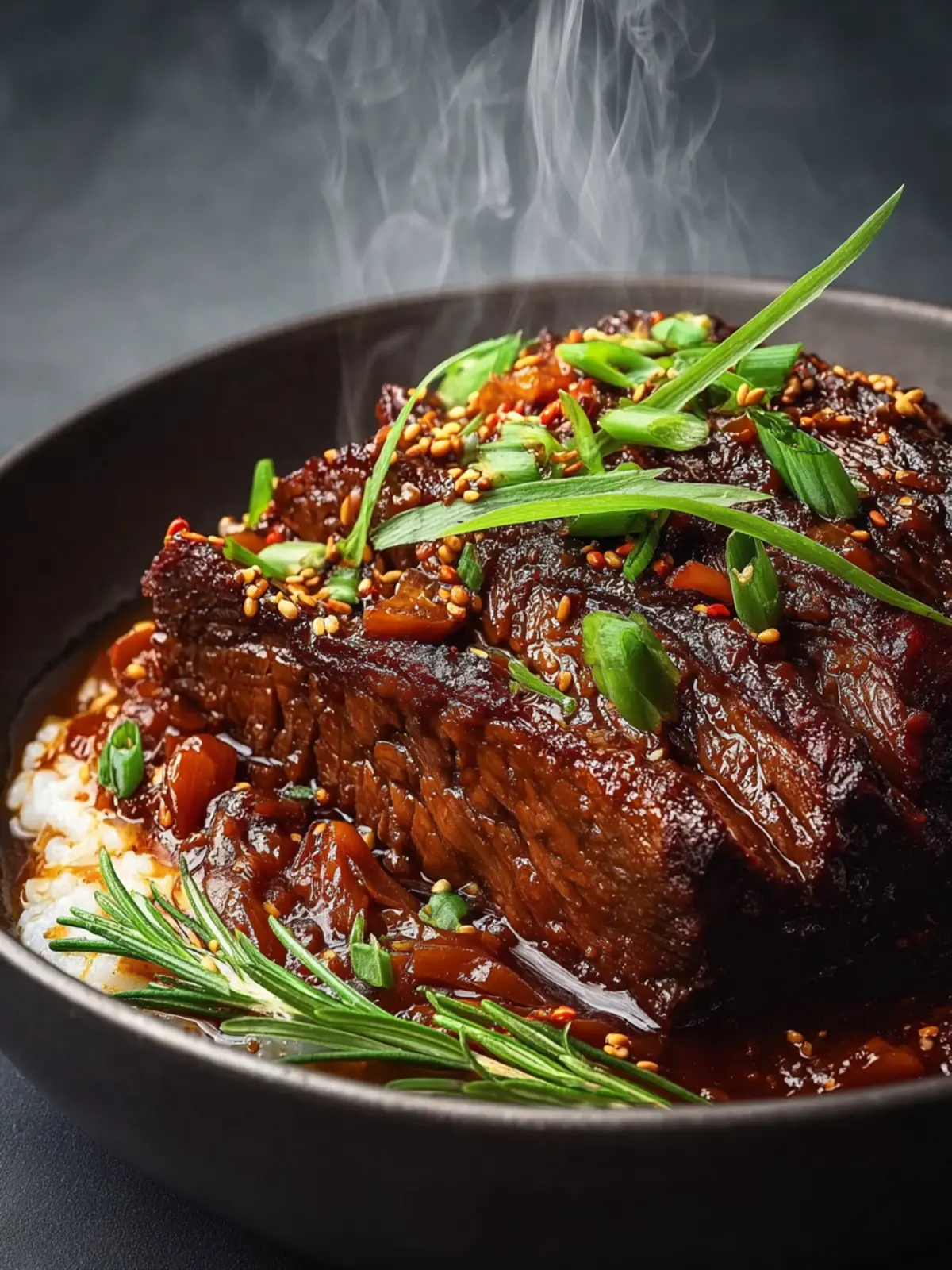
Serving Suggestions for Korean Style Pot Roast
Pairing your Korean Style Pot Roast with the right sides can elevate your dining experience from good to absolutely memorable. Imagine a cozy evening where the hearty flavors of the pot roast are complemented by vibrant, delicious accompaniments.
Classic Rice Harmony
Rice is a staple in Korean cuisine, and serving your pot roast over a bed of fluffy white rice is an absolute must. It acts as a neutral counterpart, allowing the deep, rich flavors of the roast and its sauce to shine through. For a twist, consider using sticky rice or even jasmine rice to add an aromatic element that pairs beautifully.
Festive Kimchi
No Korean meal feels complete without kimchi. Its tangy, spicy crunch adds a fantastic contrast to the tenderness of the pot roast. You can opt for traditional napa cabbage kimchi or try radish kimchi for a refreshing variation. Best part? Kimchi is also rich in probiotics, making it a great addition to promote gut health.
Seasonal Veggies
Integrating sautéed or roasted seasonal vegetables not only enhances the visual appeal of your meal but also adds a nutritious crunch. Think along the lines of glazed carrots, sautéed bok choy, or steamed broccoli. Their vibrant colors will make your plate pop!
Warm Steamed Buns
For a fun and interactive touch, serve your pot roast alongside warm steamed buns. You and your guests can slice the roast and pile the tender meat into the buns, topped with a sprinkle of scallions or sesame seeds for an exciting flavor explosion.
By exploring these serving suggestions, your Korean Style Pot Roast will undoubtedly impress and satisfy all who gather around your table.
Time Breakdown for Korean Style Pot Roast
When you think about the comfort of a Korean Style Pot Roast, you might imagine warm, savory aromas filling your kitchen and the delicious taste of tender meat. Preparing this dish is straightforward and doesn’t take too long, ensuring that you can fit it into your busy schedule even on a weeknight.
Preparation Time
This dish requires about 15 minutes of preparation. You’ll need to gather your ingredients, chop some vegetables, and get your meat ready. Taking this time upfront ensures everything goes smoothly during the cooking process.
Cooking Time
The Korean Style Pot Roast will spend approximately 3 hours in the oven. This slow-cooking method allows the flavors to meld beautifully, resulting in a mouthwatering meal that practically falls apart with a fork.
Total Time
In total, plan for around 3 hours and 15 minutes from start to finish. This includes both preparation and cooking time, giving you the perfect opportunity to sit back, relax, and unwind while your stew simmers away.
Nutritional Facts for Korean Style Pot Roast
When savoring a plate of Korean Style Pot Roast, you might wonder about its nutritional profile that complements its deliciously rich flavors. This hearty dish not only fills your stomach but can also offer a balanced meal if enjoyed wisely.
Calories
A typical serving of Korean Style Pot Roast contains approximately 350 calories. This makes it a satisfying option that fits well within a balanced diet, especially when paired with steamed vegetables or rice.
Protein
Rich in protein, Korean Style Pot Roast delivers around 30 grams per serving. This essential nutrient plays a crucial role in muscle repair and overall health, making it a great choice for those looking to maintain an active lifestyle.
Sodium
While the savory sauce enhances the dish’s taste, it also contributes to the sodium content, which can be around 800 mg per serving. It’s important to monitor your sodium intake, especially if you’re watching your heart health. Consider using low-sodium soy sauce to mitigate this!
FAQs about Korean Style Pot Roast
Korean Style Pot Roast is not just a meal; it’s a comforting experience that evokes hearty family dinners and savory aromas that fill your kitchen. Below are some frequently asked questions that may help you navigate your way through this delightful dish.
How do I ensure my pot roast is tender?
To achieve that melt-in-your-mouth texture, the key lies in slow cooking. Whether you’re using a slow cooker or braising on the stovetop, low and slow is the name of the game. Keep the cooking temperature consistent and don’t rush it—aim for 4 to 6 hours for optimal tenderness. Also, make sure to sear your beef beforehand. This isn’t just for flavor; it helps lock in moisture. Finally, letting the pot roast rest before slicing allows the juices to redistribute, enhancing tenderness.
Can I use another cut of beef for this recipe?
Absolutely! While this recipe shines with chuck roast due to its marbling and flavor, you can use other cuts like brisket or round. Just remember, different cuts have different cooking times, so adjust accordingly. If trying something new, keep an eye on the tenderness as it cooks.
What can I serve with Korean Style Pot Roast?
Pairing your Korean Style Pot Roast can elevate your dining experience. Traditional sides like kimchi or pickled vegetables add a refreshing crunch and contrast. Steamed rice provides a perfect base to soak up that savory sauce. You could also serve it alongside roasted vegetables or a simple salad for a light touch. Each of these options enhances the umami flavors of the roast, making for a delightful meal.
Conclusion on Korean Style Pot Roast
In wrapping up our delightful journey through Korean Style Pot Roast, it’s clear that this dish is much more than a hearty meal; it’s an experience that brings together rich flavors and comforting aromas. By incorporating ingredients like tender beef, savory soy sauce, and a mix of fragrant spices, you create not just a meal, but a memory shared with loved ones around the table. The slow-cooking method ensures every bite is infused with flavor, making it a perfect centerpiece for any occasion. So, go ahead and savor this Korean-inspired twist on pot roast—your taste buds will thank you!
Print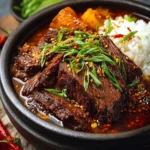
Braised Chuck Roast
- Total Time: 3 hours 20 minutes
- Yield: 6 servings 1x
- Diet: Carnivore
Description
A savory braised chuck roast cooked with carrots, onion, and a flavorful sauce.
Ingredients
Scale
- 3–4 lbs chuck roast
- 3 carrots, peeled and cut into chunks
- 1 large onion, sliced
- 5 garlic cloves, minced
- 1 tablespoon fresh ginger, minced
- 1/4 cup soy sauce
- 2 tablespoons gochujang Korean chili paste
- 2 tablespoons brown sugar
- 2 tablespoons rice vinegar
- 1 tablespoon sesame oil
- 1 cup beef broth
- 2 green onions, chopped (for garnish)
- 2 tablespoons chopped cilantro (optional)
Instructions
- Pat the chuck roast dry and season with salt and pepper. Heat Dutch oven over medium-high heat and sear on all sides until browned, about 3-4 minutes per side. Remove and set aside.
- In the same pot, sauté the onion, garlic, and ginger for 3-4 minutes until the onion is translucent.
- Stir in gochujang, soy sauce, brown sugar, and rice vinegar, and scrape any bits from the bottom.
- Pour in the beef broth and stir to combine. Return the roast to the pot and add carrots around it.
- Cover and braise in a preheated oven at 325°F (160°C) for 3 to 3 hours until fork-tender.
- Skim off excess fat and drizzle with sesame oil. Garnish with chopped green onions and cilantro, if desired.
- Serve hot over rice or potatoes.
Notes
- Garnish with freshly chopped cilantro for additional flavor.
- Always adjust seasoning according to personal taste preference.
- Prep Time: 20 minutes
- Cook Time: 3 hours
- Category: Main Dish
- Method: Braising
- Cuisine: Korean-American
Nutrition
- Serving Size: 1 slice
- Calories: 350
- Sugar: 5g
- Sodium: 800mg
- Fat: 20g
- Saturated Fat: 8g
- Unsaturated Fat: 10g
- Trans Fat: 0g
- Carbohydrates: 10g
- Fiber: 2g
- Protein: 30g
- Cholesterol: 80mg